Keeping rainwater where it belongs is the quiet job your eavestroughs handle for thousands of hours each year. When they clog or pull away, the consequences show up fast: peeling fascia paint, damp basements, heaved walkways, and landscape mulch washed across the driveway. I have seen soffit wood rot from a single overflowing elbow that went unnoticed through one heavy autumn. Compared to the cost of replacing fascia, subfloor, or foundation drainage, proper eavestrough cleaning is inexpensive insurance.
This guide distills what matters on real houses, in real weather, with a focus on practical tools and safe, repeatable techniques. I will refer to conditions in Southwestern Ontario often, since many homeowners find us while searching for window cleaning London Ontario or eavestrough cleaning London Ontario, and the climate here dictates much of the maintenance rhythm. The same principles apply whether you live a province over or in a region with different tree species and roof pitches, but examples will stay concrete and local.
What eavestroughs actually do, and why clogs are so destructive
Eavestroughs capture roof runoff and direct it to downspouts that move water away from the foundation. A common two-story home sheds between 1,000 and 1,500 gallons of water during a single one-inch rain event. If the gutters are full of leaves, seed pods, pine needles, or granules, water dams, overtops the edges, and often backflows under the drip edge. From there it can soak the sheathing and migrate into insulation. If your downspouts tie into underground drains, clogs can push debris into those runs where they are much harder to clear.
Ice is the other big enemy. In freeze-thaw seasons, standing water in eavestroughs expands and contracts. Hangers get stressed, seams separate, and anything marginal becomes a failure. I have replaced dozens of hangers that were bent open by iced-in debris, not by wind or ladders.
Reading the house before you start
Before anyone sets a ladder, walk the perimeter. You want to know where water marks end, where organic staining begins, and which downspouts look starved or bulged. Trees on the south and west sides often dump into the troughs with prevailing winds, so look there first. Watch for:
- Stripes on siding under gutter runs that indicate chronic overflow. The stain pattern will tell you where the low spots and mis-pitched sections live.
Check the location of power lines, service drops, and old satellite cables. Note deck surfaces and landscaping that can complicate ladder placement. If you see heavy black streaks on aluminum or vinyl, that is an opportunity to combine eavestrough cleaning with vinyl siding cleaning or broader exterior house cleaning so you solve both the cause and the cosmetic issues in one visit.
Tools that earn their keep
You can clean gutters with a bucket and a rag, but certain tools make it safer, faster, and more thorough. After years of residential work, including professional window cleaning services and eavestrough cleaning services in mixed neighborhoods with mature trees, this is the core kit that pulls its weight:
- Standoff ladder stabilizer: A stabilizer keeps the ladder rails off the gutter lip and distributes pressure to the roof or wall. It protects the eavestrough from crushing and gives you a wider, steadier stance. On older aluminum gutters with thin front faces, this one change prevents dozens of avoidable dents. Scoop and hand trowel: A flexible scoop shaped to the trough profile removes dense sludge quickly. A narrow hand trowel gets into shingle valleys and tight corners where scoops miss. Contractor bags and a carabiner: Tie the bag to the ladder or belt so you are not balancing debris on the roof. Some prefer to drop debris to a tarp, but on tight side yards or when doing residential window cleaning the same day, bagging keeps the site tidy. Hose with a pistol-grip nozzle and a flexible downspout wand: Water testing is non-negotiable. The wand forces water down elbows and through underground runs to verify flow. Garden hoses with poor pressure make for poor diagnostics. PPE that you will actually wear: Nitrile-dipped gloves, safety glasses, and a light dust mask for dry, moldy debris. If you are sensitive to wasps, add a long-sleeve layer even on warm days.
This set covers 80 percent of situations. For the other 20 percent, you need specialty gear.
Specialty tools for edge cases
Long runs above sunrooms or steep saltbox roofs demand a different approach. Two tools are worth calling out.
Gutter vacuums with carbon poles allow ground or ladder-level cleaning up to two stories, sometimes more. They shine over delicate metal roofs where foot traffic is unsafe. They do not handle wet, compacted sludge as well, and they can miss heavy pine cones, but for second-story eavestroughs over glass, they save risk and time. If you are searching window cleaning near me and see a van with a drum vacuum and telescopic poles, that is the system.
Camera inspection on flexible cables or pole-mounted action cameras help find hidden sags, bird nests in downspouts, and seam separation. A quick pass during the final rinse can catch a drip at a lap joint before it becomes a callback.
For underground downspout drains, a small drain auger or high-pressure jet nozzle on a hose can clear light clogs. Be cautious. If the drain exits to a pop-up emitter or daylights at the curb, confirm the outlet is open before pushing debris farther in.
Techniques that balance speed and thoroughness
There are many ways to clean a gutter. The better ones start with a plan to manage debris, protect the home, and verify performance.
Start upstream. Work from the highest point toward downspouts, so you are not pushing sludge uphill. Clear large leaves and sticks by hand or with the scoop, bagging as you go. When you reach the downspout, clear the strainer or basket if one exists. Avoid yanking it out if it is brittle; a broken strainer can fall into the elbow and wedge.

Flush next. Use the hose to rinse the trough in short sections, watching for pooling that indicates a low spot or incorrect pitch. A well-pitched gutter drains fully within a few minutes. If water lingers, mark the hanger location with painter’s tape for later adjustment.
Test the downspout. Insert the wand and send a steady flow down. If water backs up, you likely have a clog at the first elbow, often cemented by granules and fine needles. You can tap the elbow gently with a rubber mallet while the water flows to break the plug. If that fails, disconnect the elbow at the union, clear it on the ground, and reassemble with a fresh self-tapping screw. While apart, check for screws protruding into the flow path. One sharp screw tip catches debris and starts the clog cycle again.
Mind the sealant. Older sectional gutters rely on seam sealant that cracks over time. After a rinse, run your finger along the inside lap joints. If you feel gaps or see daylight, note it. Resealing is best done on a dry day with a gutter-specific sealant. Quick daubs on wet metal do not hold.
Protect the surroundings. Wet leaves stain, especially on concrete and porous stone. If you must drop debris, lay a poly tarp first. When combining eavestrough work with a window cleaning service, do the gutters before glass so you are not washing the same window twice. Many local window cleaning services already bundle the two for this reason.
Safety that sticks
Falls from ladders account for a significant share of home maintenance injuries. The rules are simple, but ignoring one is usually what leads to trouble. Set the ladder at the correct angle, one-quarter of the working length from the wall. Tie off when you can. Keep three points of contact while climbing and moving position. Do not reach beyond your belt buckle. Move the ladder. It feels slower and is faster than recovering a dented gutter or bruised ribs.
Stabilizers do more than protect gutters. They keep you off slick aluminum. On vinyl siding, place ladder feet on dry, level ground and avoid putting rails directly on siding laps. If you are unsure about footing, use ladder mats or screw temporary cleats into joists on decks to anchor the feet safely. When in doubt about a span or pitch, call a window cleaning company or eavestrough specialist with the right equipment. The cost difference between DIY and a professional visit is trivial next to an ER bill.
Timelines: how often and when to clean
There is no one schedule that fits every home. The right cadence depends on tree cover, roof type, and local rainfall patterns. In London and area, we see four reliable triggers for service.
First, late spring after seed drop. Maples and oaks shed helicopters and catkins that fasten into elbows. If you have a shingle roof that sheds granules during spring storms, they will collect with the seeds.
Second, late autumn after leaf fall. The window here is weather dependent. You want to catch the troughs after the last heavy fall, but before freeze-up. For many clients, that is a mid to late November service.
Third, after any extreme event. A windstorm that strips branches or an early freeze that locks in sludge merits an extra visit. If you hear water cascading over the eaves during rain, do not wait for the calendar.
Fourth, when installing or inspecting gutter guards. With guards, you still need cleaning, just less often. The schedule moves from twice a year to once a year, plus spot checks after major storms. Guards keep large debris out, but they do not stop shingle grit or pine pollen sludge. One client with a heavily treed lot, guards, and underground drains still benefits from quarterly downspout flushes.
A practical rule: most detached homes do best with two cleanings per year, spring and late fall. Bungalows under heavy canopy eavestrough cleaning london ontario sometimes need three. Newer homes on open lots can stretch to one, but watch for granule accumulation in the first few years.
The guard debate: when they help and when they disappoint
Gutter guards are not a universal fix. Screen and perforated aluminum covers do well against leaves and large debris. Micro-mesh blocks finer material but can clog on the surface, especially under fir and spruce. Foam inserts collapse and harbor growth. Reverse-curve systems move water by surface tension and shed debris to the ground, which can stain decks and walks.
Guards help most on roofs with broad, uninterrupted planes and moderate tree cover. They underperform near roof valleys where water volume overwhelms the entry points, and on low-pitch roofs where water meanders rather than flows. If your primary headaches are seed pods and granules, guards reduce volume but do not eliminate maintenance. Budget for periodic rinsing and confirmation that fasteners remain tight. In our service routes for window cleaning London and neighboring towns, we often see guards installed without correcting the pitch or hanger spacing first. Then guards simply hide standing water, and the underlying problem remains.
Combining services: why eavestrough cleaning pairs well with exterior maintenance
Clients often book eavestrough cleaning alongside residential window cleaning, vinyl siding cleaning, or soffit and fascia brightening. The benefits stack:
- One mobilization. Ladders and standoffs come out once, and we can move methodically around the house, cleaning gutters, then glass, then siding sections that need it.
If you are comparing window cleaning companies, ask about sequencing. Experienced crews start at the roofline, move down to frames and screens, and finish with glass. Done in this order, runoff from the gutters never spots freshly cleaned windows. On commercial jobs or larger homes, two techs will split tasks, one flushing and inspecting while the other starts exterior window cleaning. This keeps the job tight and reduces noise and disruption.
For homeowners searching window cleaning near me and considering a bundled visit, be clear about priorities. If weather turns, we always prioritize anything water sensitive first, like an exposed seam that needs sealant in dry conditions. Glass can wait a day. A leak cannot.
Cost drivers and realistic expectations
Pricing varies across regions, but the drivers are predictable: linear footage, number of stories, roof pitch, access complexity, and whether downspouts tie into underground drains. A typical two-story, 2,000 to 2,500 square foot home in a standard neighborhood sees eavestrough cleaning costs in the mid to high hundreds when combined with exterior window cleaning. Standalone gutter service runs lower, usually a flat rate plus modest add-ons for heavily clogged underground runs or minor resealing. When you see a price that seems too good, it usually excludes downspout clearing or water testing. Ask for those in writing. Skipping the flush is like washing a car and forgetting the wheels.
Expect tidy work, a rinse to confirm pitch and flow, and photos of difficult areas. Good providers of local window cleaning services who also handle gutters will document before and after at corners, valleys, and any compromised sealant. If a crew leaves without turning on a hose at least once, they have not finished the job.
Common problems and fix-or-replace judgment calls
Sagging sections show up as water lines or standing puddles after a rinse. Light sags can be corrected by moving or adding hidden hangers and re-pitching toward the downspout. If the sag is due to stretched aluminum from years of ice load, it may not hold a new pitch without looking wavy. In that case, replacement of the section is cleaner and often cheaper than repeated adjustments.
Leaking seams in sectional gutters respond well to a thorough clean and dry, then a bead of gutter sealant applied inside the trough and smoothed to a thin film. If the joint has corroded or separated due to thermal cycling, the better cure is new seam couplers or, again, section replacement. On older homes that will eventually move to seamless eavestroughs, we treat these as stopgaps.
Loose downspouts rattle in wind and flex at joints, which worsens clogging as screws work loose and catch debris. Replace worn straps, use wider straps on brick to spread load, and align elbows so they do not fight the wall. Screws should be short enough not to intrude deep into the pipe.
Black streaks on gutters and fascia are electrostatic bonding of pollution and roof runoff. Cleaning during the same visit is efficient. Use a non-caustic cleaner formulated for oxidation on aluminum or a mild surfactant for vinyl. Do not hit it with high-pressure water at close range, especially on older vinyl siding. You can etch the surface and create permanent tiger striping. Controlled soft-washing techniques produce far better results.
Weather, timing, and what the forecast really means for your gutters
A dry day is ideal for resealing, brightening, and final cleanups. That said, cleaning and flushing can happen in light rain. In fact, running water reveals pitch issues more clearly. When snow is present on the roof edge, skip it. The ladder feet cannot bite securely, and melting snow keeps the trough wet when you need it dry to reseal seams.
In shoulder seasons, plan ahead. The late autumn window between leaf drop and freeze can be short. When we manage routes for window cleaning London Ontario clients who also book eavestrough cleaning, we hold flexible slots and eyes on the forecast. A two-day cold snap can lock leaves in place and push work into early winter, which raises risk and reduces quality. If you have the option, schedule the final fall cleaning just after 70 to 80 percent leaf drop in your immediate yard, not citywide averages. Microclimates matter. A single mature oak over the garage changes the schedule more than anything else on the block.
DIY or hire it out
Some homeowners are comfortable with ladders, tools, and a few hours of messy labor. If you are steady on extensions and your rooflines are accessible, DIY can be satisfying and cost effective. Use a stabilizer, respect the reach limits, and flush thoroughly. Keep a first aid kit nearby and someone at home if you are going up a story or more.
Hire a pro when you have multiple stories, steep pitches, old or fragile gutters, underground downspout runs, or tight access over glass structures and sunrooms. Also call in help when merging tasks with a window cleaning service or larger exterior house cleaning. Professional window cleaning services carry gear that minimizes risk and protects surfaces, including pure water systems for spot-free glass and soft-wash rigs for siding. Bundled service often costs less than scheduling separate visits and ensures the sequence is right, which shows in the final result.
In London and neighboring communities, many window cleaning companies have expanded into gutter and siding work precisely because the tasks are complementary. When you search for window cleaning London or local window cleaning services, check whether the provider lists eavestrough cleaning services explicitly. Ask about insurance, ladder practices, and whether they test flow at every downspout. A confident yes to those questions is a good start.
Maintenance between cleanings
A little attention keeps the big jobs easy. Trim branches that overhang the roof. Keep roof valleys clear after large storms. If you can, peek into the most problematic gutter section from a window once a month during heavy shedding seasons. Replace splash blocks or add downspout extensions so water exits at least six feet from the foundation. Walk the property after rain and listen. The sound of water hitting the ground behind shrubs is often your first clue of a hidden overflow.
If you have guards, rinse them gently in spring with a hose from the top down to push pollen and grit through. Avoid pressure washing from ground level upward. That lifts edges and drives debris into seams. Where downspouts enter underground drains, consider leaf basket catchers at grade so you can empty the basket rather than excavate a line.
When a full system evaluation makes sense
If you deal with repeat overflows even after cleaning, or see dampness in the basement during rains, widen the scope. Check gutter size. Many older homes have five-inch gutters that struggle with modern roof areas. Upgrading to six-inch troughs with three-by-four downspouts increases capacity significantly and reduces clogging. Confirm the number and placement of downspouts. Long runs without a mid-span outlet tend to pool, especially on low-slope roofs. Sometimes a single added downspout cures a chronic problem that cleaning alone cannot fix.
Look at pitch. Gutters should fall about a quarter inch for every 10 feet toward the outlet. This is subtle to the eye but crucial for flow. Correcting pitch might involve rehanging sections with new hidden hangers every two feet instead of every four, which helps manage ice load as well.
Finally, consider the entire water path. If your downspouts discharge into underground clay or corrugated lines from older landscaping, those lines may be collapsed or root-bound. Cleaning the gutters will not help if the exit is blocked. A camera or a simple garden-hose flow test at the daylight point can spare you a lot of guesswork.
A word on pairing with interior schedules
Homeowners often ask how to synchronize exterior maintenance with interior cycles. The sweet spot is to book eavestrough cleaning and exterior window cleaning in the same visit during late spring, then interior glass on a separate day. Exterior work can be weather flexible and a bit messy. Interior work benefits from predictable timing and calm spaces. If you use a recurring plan with a window cleaning company, set the gutter dates at the start of the season. Good crews fill calendars early, especially around peak leaf drop.
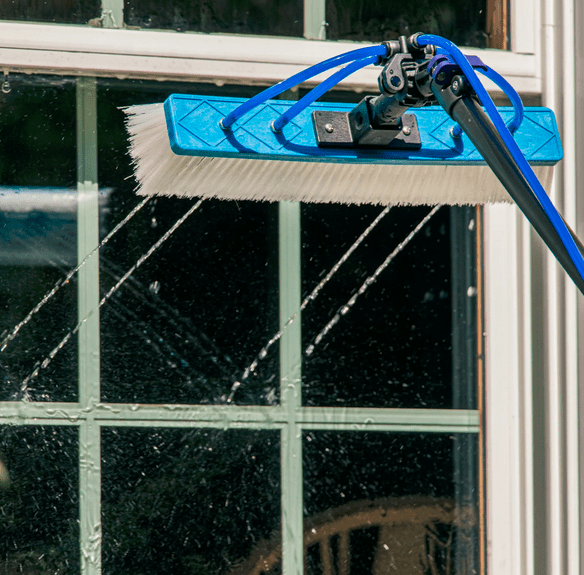
What a professional visit looks like, start to finish
On arrival, a solid crew introduces themselves, walks the property, and clarifies any concerns, such as soft landscaping to avoid or underground lines to protect. They set standoffs, protect surfaces with mats or tarps where needed, and clear debris methodically. As they move, they bag and stage waste for removal, not to your green bin unless you agree in advance.
After the dry clean, they flush each run and each downspout, adjust minor hanger issues on the spot when feasible, and log any larger repairs. They document with photos, then tidy the site, rinse away stray leaf bits from walks and sills, and, if bundled, move on to residential window cleaning. The final step is a quick walk-around with you, pointing out any repairs to consider, like a seam that should be resealed on a dry day or a downspout extension that would help a soggy corner of the yard.
That process, repeated predictably, is what keeps water away from your home with minimal fuss.
Final thoughts that help you act
If you take nothing else from this, remember three practical ideas. First, clean gutters on a schedule aligned to your trees and storms, not just the calendar. Second, test with water every time. Visual checks miss too much. Third, treat eavestrough cleaning as part of a larger exterior care plan, often paired with window cleaning services and siding care. When the work is sequenced and executed well, your home stays drier, looks better, and surprises you less during the first heavy rain of the season.
Whether you handle it yourself or hire a window cleaning service that also offers eavestrough cleaning services, aim for thorough, safe, and verifiable results. If you are in a region like London, where spring debris and fall leaves are both heavy hitters, your gutters will earn their keep. Give them the attention they deserve.
Clearview Brothers Window Cleaning London, ON (226) 239-5841
Clearview Brothers provides professional window cleaning, eavestrough cleaning, siding cleaning, and screen cleaning services in London, Ontario. Their eco-friendly methods and advanced equipment deliver streak-free windows, clear gutters, and refreshed exteriors that enhance curb appeal and protect your home.